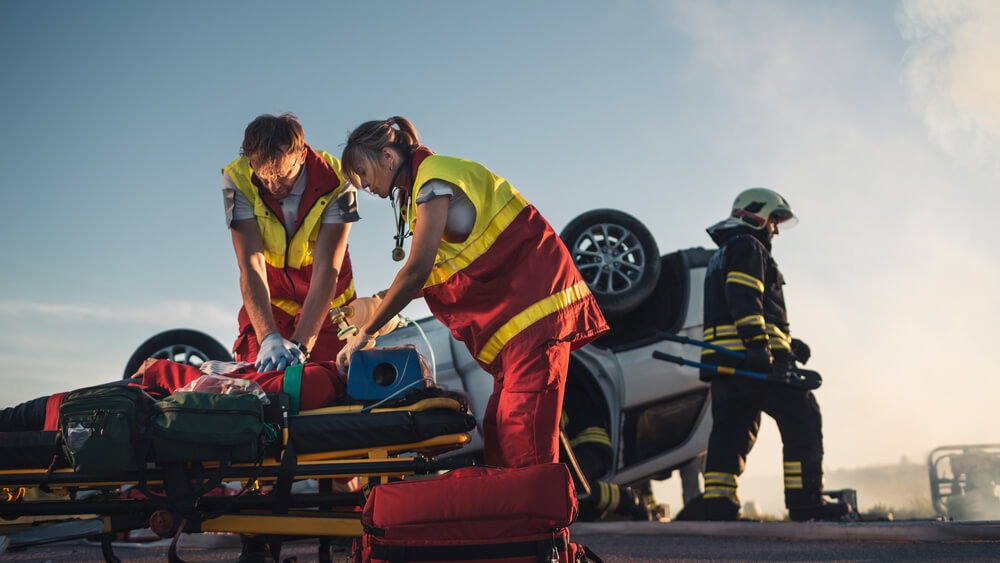
A catastrophic injury can change nearly every part of a person’s life. An accident that takes only seconds can lead to permanent physical limitations, extended hospitalization, months of rehabilitation, and uncertainty about what the future will look like. For injured individuals and their families, the challenges often extend far beyond immediate medical treatment. You may be unable to return to work, need help with everyday activities, or face expenses that continue for years. When another party’s negligence causes a catastrophic injury, understanding your legal rights can be an important step toward protecting your long-term well-being.
When an Injury Changes the Course of Your Life?
Catastrophic injuries generally cause severe, lasting, or permanent consequences. They may affect a person’s ability to work, live independently, maintain relationships, or participate in activities that were once part of everyday life. These injuries can occur in many circumstances, including motor vehicle collisions, truck accidents, motorcycle crashes, pedestrian accidents, falls, and other incidents involving dangerous conditions or negligent conduct.
For example, a person involved in a serious collision may sustain a spinal cord injury that limits mobility. Another individual may suffer a traumatic brain injury that affects memory, concentration, and emotional regulation. A severe burn may require repeated surgeries and leave permanent scarring.
The effects often reach the entire family. A spouse may need to become a caregiver, parents may have to adjust their working schedules, and children may experience significant changes to their household routines. In addition to medical costs, families may face lost income, transportation expenses, home modifications, and the cost of long-term assistance.
What Types of Injuries Are Considered Catastrophic?
The term catastrophic injury can describe several types of severe harm. Whether an injury qualifies depends on its nature, severity, and lasting effects, not just the name of the diagnosis.
Common examples include:
- Traumatic brain injuries: Serious head trauma can affect cognitive abilities, memory, communication, behavior, and emotional health.
- Spinal cord injuries: Damage to the spinal cord may result in partial or complete paralysis and a need for ongoing assistance.
- Severe burns: Extensive burns may require reconstructive procedures, rehabilitation, and long-term treatment for scarring.
- Amputations: The loss of a limb can affect mobility, independence, employment, and everyday activities.
- Multiple fractures: Complex fractures may require surgery and extensive rehabilitation, particularly when they affect the pelvis, legs, or other major bones.
- Permanent nerve damage: Serious nerve injuries may cause chronic pain, weakness, numbness, or reduced function.
- Severe internal injuries: Damage to internal organs can require emergency surgery and prolonged medical care.
Some injuries have effects that are not immediately obvious. A person may survive the initial accident but later discover that complications or permanent limitations will require additional treatment. Medical evaluations and expert assessments can help establish the severity of an injury, the expected course of recovery, and the types of support that may be necessary in the future.
Why Future Medical Needs Matter in a Catastrophic Injury Claim?
One of the most important issues in a catastrophic injury case is understanding how much care a person may need over time. The first hospital bill represents only part of the potential financial impact.
Depending on the injury, future expenses may include specialist consultations, surgeries, rehabilitation, prescription medication, assistive equipment, home healthcare, and ongoing therapy. Some individuals may need modifications to their homes or vehicles to accommodate mobility limitations. Others may require help with personal care or daily activities for years.
Consider someone who sustains a spinal cord injury in a serious vehicle collision. Their recovery may involve hospitalization, rehabilitation, mobility equipment, and changes to their living environment. If they cannot return to their former occupation, their financial losses may also extend well into the future.
A claim that focuses only on current medical bills may not fully reflect these long-term consequences. Future damages must be evaluated using appropriate evidence, which may include medical opinions, treatment projections, vocational assessments, and other relevant professional evaluations.
Who May Be Responsible for a Catastrophic Injury?
A catastrophic injury can result from a single person’s negligence or from the actions of several potentially responsible parties. Identifying those parties is an important part of evaluating a claim. Depending on the circumstances, responsibility may involve a negligent driver, a commercial trucking company, an employer, a property owner, a product manufacturer, or another party whose conduct contributed to the injury.
For example, a serious truck collision may require an examination of the driver’s actions, the trucking company’s safety practices, and the vehicle’s maintenance history. A fall involving a dangerous property condition may raise questions about who controlled the property and whether reasonable steps were taken to address the hazard.
Evidence may include accident reports, photographs, witness statements, surveillance footage, medical records, vehicle data, maintenance documents, and expert analysis. The appropriate investigation depends on how the injury occurred. California follows comparative negligence principles, so an injured person may still be able to pursue compensation when they share some responsibility for an accident. Any recovery may be reduced according to their percentage of fault.
Support for Families Facing an Uncertain Future
When a loved one suffers a catastrophic injury, family members may find themselves balancing caregiving responsibilities with employment, childcare, and household expenses. It can be difficult to plan for the future when the person’s recovery remains uncertain.
Families may need information about rehabilitation, home accessibility, ongoing treatment, and changes in the injured person’s ability to earn income. They may also have questions about how to pursue a claim without adding unnecessary stress to an already difficult situation.
Legal guidance can help clarify the process, identify relevant deadlines, and explain which losses may be considered under California law. If a catastrophic injury ultimately results in death, eligible family members may also need to understand whether a wrongful death claim is available.