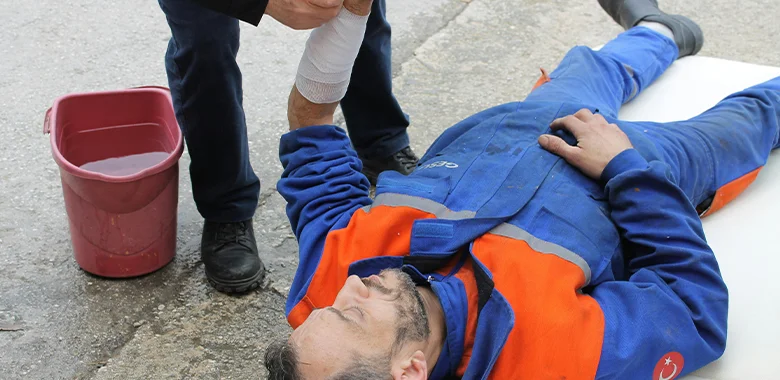
Construction sites are among the most hazardous workplaces, with heavy machinery, elevated work areas, electrical equipment, and constantly changing conditions creating risks for workers and visitors. Even with safety procedures in place, an overlooked hazard or careless decision can lead to a serious accident. A fall from scaffolding, a falling object, or an equipment malfunction can leave someone with life-changing injuries and months of recovery ahead.
For injured construction workers and other people harmed at a job site, the aftermath can be especially confusing. You may be worried about medical bills, lost wages, your ability to return to work, and whether you can hold someone responsible for what happened. Workers’ compensation may provide benefits, but depending on the circumstances, you may also be able to file a separate personal injury claim against a negligent third party.
Construction Accidents Can Cause Life-Altering Injuries
Construction work involves physical demands and hazards that can make even a brief lapse in safety precautions dangerous. A fall from a ladder, a collision with construction equipment, or contact with an exposed electrical source can cause injuries that affect a person’s health, independence, and ability to earn a living.
Common construction site injuries include traumatic brain injuries, spinal cord injuries, broken bones, severe burns, crush injuries, amputations, and damage to muscles or nerves. Some injuries require emergency surgery and extensive rehabilitation, while others lead to chronic pain or permanent limitations.
The consequences often extend beyond the initial medical treatment. An injured worker may be unable to perform physically demanding duties, return to the same occupation, or work for an extended period. Families may also experience financial pressure when the injured person can no longer contribute their usual income or needs ongoing assistance.
Who Can Be Held Responsible for a Construction Site Accident?
Construction projects often involve multiple businesses and individuals working on the same property. Depending on the project, the potentially responsible parties may include a general contractor, subcontractor, property owner, equipment rental company, maintenance provider, or manufacturer of defective machinery.
Responsibility depends on the facts and the legal duties applicable to each party. For example, a contractor may have contributed to an accident by failing to address a dangerous condition within its responsibility. A maintenance company may be liable if negligent repairs caused equipment to malfunction. A manufacturer may face a product liability claim if a defective component caused an injury.
Potential sources of evidence may include:
- Construction site incident reports and safety documentation.
- Photographs of the accident scene, equipment, and hazardous conditions.
- Witness statements from workers, supervisors, or visitors.
- Equipment inspection and maintenance records.
- Training records and applicable safety procedures.
- Contracts and information identifying the businesses involved.
- Medical records documenting the injuries and treatment.
Not every party connected to a construction project is automatically liable. A careful investigation is needed to determine whether a particular person’s or company’s actions contributed to the accident.
What If You Are a Construction Worker Injured on the Job?
In California, workers’ compensation generally provides a system of benefits for employees who suffer qualifying work-related injuries, regardless of fault. Benefits may include medical treatment, temporary disability payments, permanent disability benefits, and other assistance when applicable.
However, workers’ compensation is generally the exclusive remedy against an employer for covered workplace injuries, subject to legal exceptions. A separate personal injury claim may be possible against a negligent third party, such as a subcontractor, equipment manufacturer, or another business whose conduct contributed to the accident.
For example, imagine a construction worker is injured when equipment maintained by an outside contractor fails. Depending on the evidence and applicable law, the worker may have grounds to investigate a third-party claim in addition to pursuing workers’ compensation benefits.
These claims involve different rules and considerations. A third-party recovery may also affect workers’ compensation liens or reimbursement rights, so the relationship between the claims should be evaluated carefully.
Common Construction Site Hazards in Sausalito
Construction and renovation projects can introduce hazards for workers, contractors, delivery personnel, and members of the public. Sausalito’s mix of residential properties, commercial areas, and waterfront development can mean that construction activity takes place near occupied buildings, pedestrian routes, and local traffic.
Some of the most common construction site hazards include:
- Falls from heights: Unsafe ladders, scaffolding, roofs, or unprotected edges can cause severe injuries.
- Falling objects: Tools, construction materials, and debris may strike workers or passersby when not properly secured.
- Heavy equipment accidents: Excavators, forklifts, cranes, and other machinery can cause serious harm when operated or maintained improperly.
- Electrical hazards: Exposed wiring, damaged equipment, and unsafe electrical work can result in burns or electrocution.
- Trench and excavation incidents: Unstable ground or inadequate protective measures can lead to collapses and crushing injuries.
- Slips and trips: Loose cables, scattered materials, uneven surfaces, and debris may create dangerous walking conditions.
- Defective tools or machinery: Equipment failures can cause injuries even when a worker is following established procedures.
Construction companies and other responsible parties may have duties under applicable laws and safety requirements to address hazards within their control. Whether a violation occurred, and whether it contributed to an injury, depends on the specific facts.
What Compensation May Be Available After a Construction Accident?
In a personal injury claim against a legally responsible third party, recoverable damages may include medical expenses, future treatment costs, lost wages, reduced earning capacity, physical pain, emotional distress, and loss of enjoyment of life. Property damage and other losses may also be considered when supported by the facts.
Workers’ compensation benefits are different. They generally cover eligible medical care and certain wage replacement or disability benefits, rather than the full range of damages potentially available in a personal injury lawsuit.
The value of a claim depends on the severity of the injury, the evidence of liability, the long-term impact on employment and daily life, and the available insurance coverage. No particular outcome or settlement can be guaranteed.
Keeping medical records, wage information, treatment recommendations, and documentation of accident-related expenses can help establish the impact of an injury. We can explain which types of losses may be relevant to your circumstances and what information may be useful when evaluating your options.