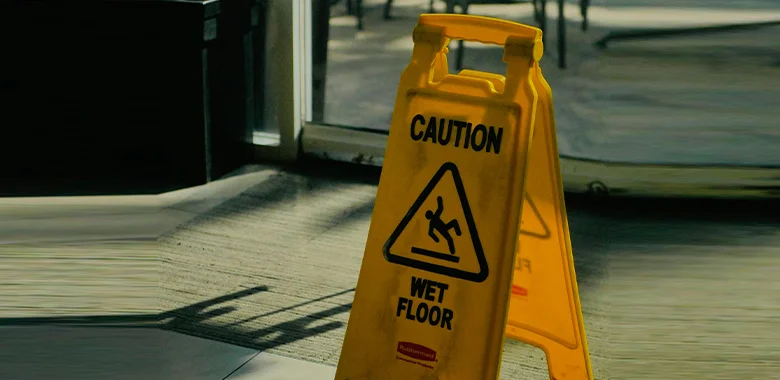
When you visit a store, walk through an apartment complex, dine at a restaurant, or attend an event, you generally expect the property to be reasonably safe. Unfortunately, dangerous conditions can turn an ordinary outing into a serious accident. A slippery floor, broken staircase, poorly lit walkway, or unsecured railing may cause injuries that leave you facing medical bills, time away from work, and uncertainty about your recovery.
If you have been injured on someone else’s property in Sausalito, you may wonder whether the property owner can be held responsible. The answer depends on how the accident occurred, whether a dangerous condition existed, and whether the person or business responsible for the property failed to take reasonable steps to address it.
What Is Premises Liability Under California Law?
Premises liability is an area of personal injury law that addresses injuries caused by dangerous conditions on property. Under California law, property owners and other parties responsible for maintaining a property may have a duty to use reasonable care to keep the premises reasonably safe.
This responsibility can involve identifying hazards, conducting appropriate inspections, repairing dangerous conditions, and providing warnings when a hazard cannot be corrected immediately. The specific obligations depend on the circumstances, including who owns or controls the property and what that party knew or reasonably should have known about the danger.
For example, if a grocery store employee notices a spill but leaves it unattended without warning customers, someone who slips and suffers an injury may have grounds to investigate a premises liability claim. Similarly, a property manager may face questions about whether reasonable steps were taken to repair a damaged staircase that created a foreseeable risk of falling.
However, an accident on another person’s property does not automatically establish liability. The injured person generally must show that a dangerous condition and a failure to exercise reasonable care contributed to the injury. Evidence of the condition, notice of the hazard, and the circumstances of the accident can be important when evaluating a claim.
Where Do Dangerous Property Conditions Occur in Sausalito?
Premises liability accidents can happen in many settings, from privately owned homes to businesses and shared residential spaces. Sausalito’s restaurants, retail establishments, apartment buildings, hotels, public-facing businesses, and pedestrian areas may present different safety concerns depending on the property’s condition and how it is maintained.
Common examples of potentially dangerous conditions include:
- Wet or slippery floors: Spills, tracked-in rainwater, freshly cleaned surfaces, and other hazards that create a risk of falling.
- Broken stairs and handrails: Loose steps, damaged railings, uneven staircases, or deteriorating walking surfaces.
- Uneven pavement: Cracked sidewalks, raised concrete, potholes, and damaged pathways that create tripping hazards.
- Poor lighting: Dark hallways, stairwells, parking areas, or entrances that make it difficult to see obstacles.
- Falling objects: Merchandise, fixtures, or other items that are improperly secured or stored.
- Unsafe balconies and decks: Damaged railings, unstable surfaces, or other structural hazards.
- Inadequate security: In certain circumstances, foreseeable criminal activity combined with unreasonable failures to provide appropriate security measures may support a claim.
- Swimming pool hazards: Unsafe access points, defective barriers, or other dangerous conditions that contribute to an injury.
The presence of a hazard alone does not establish negligence. The key questions include whether the condition presented an unreasonable risk, whether the responsible party knew or should have known about it, and whether reasonable precautions were taken.
What Must You Prove in a Premises Liability Claim?
One of the most common questions injured visitors ask is whether a property owner is automatically responsible for an accident that occurs on their premises. Generally, California premises liability claims require evidence establishing negligence and a connection between the dangerous condition and the injury.
Important considerations may include:
- A duty of reasonable care: Whether the defendant owned, occupied, controlled, or maintained the property in a way that created a relevant legal duty.
- A dangerous condition: Whether an unsafe condition existed and created an unreasonable risk of harm.
- Knowledge of the hazard: Whether the responsible party created the condition, knew about it, or should have discovered it through reasonable care.
- Failure to take reasonable precautions: Whether the party failed to repair the hazard, inspect the area appropriately, or provide an adequate warning.
- Causation and damages: Whether the dangerous condition contributed to the accident and resulted in injuries or other legally recognized losses.
For example, surveillance footage may show how long a spill remained on a store floor before a customer fell. Maintenance logs or inspection records may help establish whether reasonable safety procedures were followed. Witness statements and photographs may also provide useful evidence.
What Should You Do After an Injury on Someone Else’s Property?
First, seek medical attention for your injuries and follow your healthcare provider’s recommendations. Even when an injury initially appears minor, an evaluation can help identify problems that require treatment.
If possible, take photographs of the hazard, the surrounding area, lighting conditions, warning signs, and any visible injuries. Report the incident to the property owner, manager, or business representative and ask whether an incident report will be prepared. Keep a copy if one is provided.
You should also collect contact information for witnesses and preserve relevant documents, including medical bills, treatment records, prescription receipts, and documentation of missed work.
Be cautious when communicating with insurance representatives. You may be asked to provide a statement or accept a settlement before the full extent of your injuries is clear. Consider obtaining legal guidance before agreeing to resolve your claim.
Compensation Available After a Premises Liability Accident?
An injury caused by an unsafe property condition can affect your finances, employment, mobility, and quality of life. Depending on the facts and applicable law, an injured person may be able to seek compensation for several categories of losses.
Potential damages may include:
- Medical expenses and reasonably anticipated future treatment.
- Lost wages resulting from time away from work.
- Reduced earning capacity if injuries affect future employment.
- Physical pain and emotional distress.
- Rehabilitation and other injury-related care.
- Loss of enjoyment of activities affected by the injury.
- Other legally recoverable damages supported by the evidence.
Consider someone who falls on a poorly maintained staircase and suffers a serious fracture. Their recovery may involve emergency treatment, surgery, physical therapy, and several months away from work. If the injury causes lasting mobility limitations, the financial and personal consequences may continue beyond the initial recovery period.
The value of a premises liability claim depends on the severity of the injuries, the evidence of negligence, the impact on daily life, and applicable insurance coverage. California also follows comparative negligence principles, meaning an injured person may still be able to recover damages when they share some responsibility, although the recovery may be reduced according to their percentage of fault.