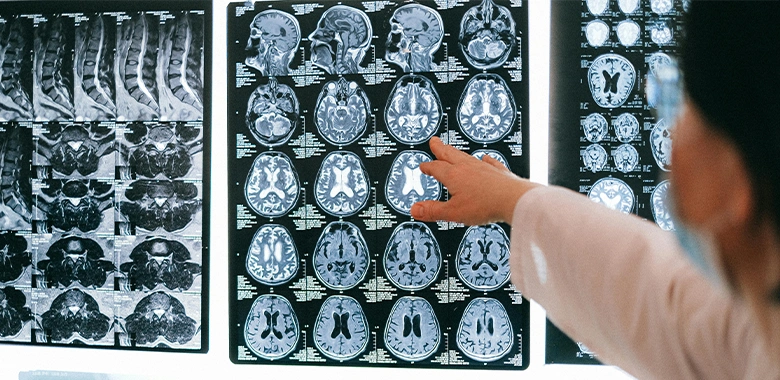
A traumatic brain injury can change a person’s life in ways that are not always immediately visible. After an accident, you may expect bruises to fade and physical pain to improve, only to discover that headaches, memory problems, difficulty concentrating, or mood changes continue to affect your daily routine. For some people, recovery takes months. Others experience lasting cognitive, emotional, or physical limitations that affect their independence, relationships, and ability to work.
For families, watching a loved one struggle with the effects of a brain injury can be frightening and exhausting. Medical appointments, rehabilitation, lost income, and uncertainty about the future can create significant financial and emotional pressure. If another party’s negligence contributed to the injury, understanding your legal options may help you make informed decisions about the road ahead.
Understanding the Hidden Effects of a Traumatic Brain Injury
A traumatic brain injury, often called a TBI, occurs when an external force causes damage to the brain. These injuries may result from a direct blow to the head, a sudden impact that causes the brain to move inside the skull, or an object penetrating the skull. Brain injuries vary significantly in severity. A concussion is generally considered a mild traumatic brain injury, but even a mild injury can produce symptoms that interfere with daily life. More severe injuries may require emergency surgery, intensive medical care, and long-term rehabilitation.
Unlike some visible injuries, a TBI may not be obvious to other people. Someone may appear physically unharmed while experiencing difficulties with memory, attention, balance, or emotional regulation. Symptoms can also develop or become more noticeable hours or days after an accident.
Common symptoms of a traumatic brain injury may include:
- Persistent headaches or dizziness.
- Confusion, memory loss, or difficulty concentrating.
- Sensitivity to light or sound.
- Changes in sleep patterns or energy levels.
- Problems with balance, coordination, or speech.
- Irritability, anxiety, depression, or other emotional changes.
- Difficulty returning to work, school, or familiar activities.
Anyone who may have suffered a head injury should seek appropriate medical evaluation. Severe or worsening symptoms, including repeated vomiting, seizures, increasing confusion, weakness, or difficulty waking, require emergency medical attention.
How Do Traumatic Brain Injuries Happen in Sausalito?
Traumatic brain injuries can occur in many types of accidents. In Sausalito, collisions involving vehicles, falls on unsafe property, and incidents involving pedestrians or cyclists are among the situations that may warrant investigation when a person suffers a head injury.
Motor vehicle accidents can cause a person’s head to strike a window, steering wheel, or other surface. Even without a direct impact, the sudden movement of the head and neck during a collision can cause brain trauma. Motorcycle and bicycle accidents can be particularly dangerous because riders have limited physical protection.
Falls are another significant cause of traumatic brain injuries. Someone who slips on a wet floor, trips on a damaged walkway, or falls down poorly maintained stairs may strike their head on the ground or another object. Other possible causes include workplace accidents, construction incidents, falling objects, and injuries involving unsafe equipment.
Determining whether someone else may be legally responsible requires examining how the incident occurred. Relevant questions may include whether a driver acted negligently, whether a property owner failed to address a dangerous condition, or whether an employer or third party contributed to an unsafe situation.
What Compensation Can You Pursue After a Brain Injury?
The financial impact of a traumatic brain injury can extend well beyond emergency treatment. Medical expenses may include specialist consultations, diagnostic testing, medication, rehabilitation, and future care. If symptoms prevent you from working, lost income and reduced earning capacity may add to the financial burden.
Depending on the facts and applicable law, compensation in a personal injury claim may include:
- Emergency treatment, hospitalization, and medical expenses.
- Future medical care and rehabilitation.
- Lost wages during recovery.
- Reduced earning capacity when an injury affects future employment.
- Physical pain and emotional distress.
- Loss of enjoyment of life.
- Other legally recoverable losses supported by the evidence.
For instance, a person whose brain injury prevents them from returning to a demanding occupation may face financial consequences long after their initial recovery. Another individual may need ongoing assistance with household tasks or personal care.
The potential value of a claim depends on the severity of the injury, the evidence establishing liability, the long-term impact on the injured person’s life, and the available insurance coverage. No particular settlement or outcome can be guaranteed.
Keeping medical records, employment documents, receipts, and information about changes in daily functioning may help establish the consequences of the injury. We can help you understand which losses may be relevant to your situation.
What Should You Do After an Accident Involving a Head Injury?
Taking the right steps after an accident can help protect your health and preserve important evidence if you decide to pursue a personal injury claim.
- Seek medical attention promptly. Follow your healthcare provider’s recommendations, even if your symptoms seem minor. A traumatic brain injury can occur without loss of consciousness or an obvious head wound.
- Document the accident scene. When it is safe to do so, take photographs of the accident location, vehicle damage, or dangerous conditions that may have contributed to your injury.
- Collect witness information. Obtain contact details for anyone who witnessed the accident and keep copies of available incident reports or police reports.
- Keep detailed medical records. Save medical bills, appointment records, treatment plans, prescriptions, and documentation of missed work.
- Track changes in your symptoms. Record headaches, memory difficulties, concentration problems, mood changes, or other symptoms that interfere with everyday activities. Ask family members to document noticeable changes in your behavior or abilities when appropriate.
- Be cautious when speaking with insurance companies. Avoid accepting a settlement before understanding the extent of your injuries and potential future medical needs. Brain injury symptoms may evolve over time, and an early settlement may not account for lasting consequences.
- Understand applicable legal deadlines. California personal injury claims are subject to filing deadlines, and claims involving public entities may have substantially shorter deadlines and special procedures. Seeking legal guidance promptly can help you understand which requirements apply to your case.
At Flahavan Law, we can help you understand your legal options after a traumatic brain injury and explain the steps that may help protect your potential claim