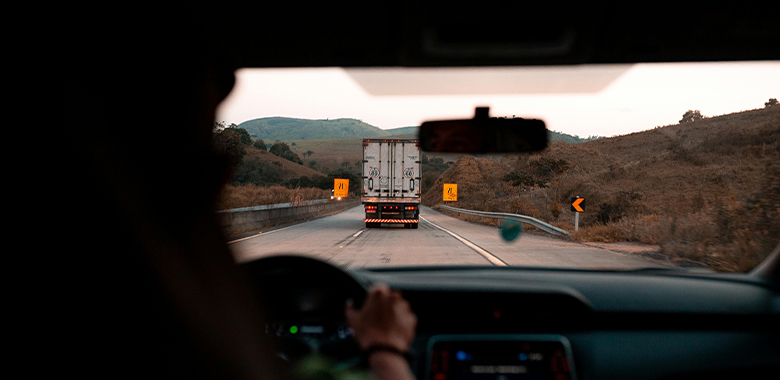
Sharing the road with large commercial trucks is a normal part of driving in and around Vallejo. From delivery vehicles traveling through city streets to tractor-trailers moving freight along regional highways, these vehicles play an essential role in the economy. Unfortunately, when a truck is involved in a crash, the results are often far more severe than a typical car accident. Commercial trucks can weigh 20 to 30 times more than passenger vehicles, which means the force of impact in a collision can cause catastrophic damage. Victims frequently suffer life-changing injuries that require long-term medical care, rehabilitation, and ongoing support.
At Flahavan Law, our team represents individuals and families whose lives have been disrupted by serious truck accidents. We understand that these cases are emotional and complicated but we stand by you to protect your future, your health, and your financial stability after a devastating event.
Why Truck Accidents Are Different
Truck accident cases are rarely straightforward. Unlike a typical car crash involving two drivers, a commercial trucking accident may involve multiple parties who could potentially share responsibility.
The truck driver is often the first focus of an investigation, but responsibility may also extend to the trucking company, the company responsible for loading the cargo, maintenance providers, or even the manufacturer of a defective truck component.
Commercial trucking is heavily regulated, and drivers must follow strict federal and state safety rules. These regulations address issues such as how many hours a driver can operate a vehicle without rest, how cargo must be secured, and how vehicles must be inspected and maintained. When these rules are ignored or violated, the risk of a serious accident increases dramatically.
Our team works to uncover whether any of these safety standards were ignored, because violations can provide critical evidence when pursuing a claim.
Common Causes of Truck Accidents
Truck accidents are often the result of preventable decisions or unsafe practices within the trucking industry. While each case is unique, several patterns appear repeatedly in serious crashes.
Driver Fatigue
Long hours behind the wheel are one of the most persistent dangers in the trucking industry. Even though federal regulations limit the number of hours drivers can operate their vehicles without rest, pressure to meet delivery deadlines can lead some drivers to push beyond safe limits.
Fatigue slows reaction times, affects judgment, and can make it difficult for a driver to stay focused on the road. In severe cases, a fatigued driver may briefly fall asleep while driving—a situation that can quickly turn deadly when a fully loaded truck is involved.
Distracted Driving in Commercial Vehicles
Distracted driving is dangerous in any vehicle, but the stakes are much higher when a commercial truck is involved. A driver who glances away from the road for even a moment may travel the length of several football fields without fully observing traffic conditions.
Distractions can include mobile devices, onboard dispatch systems, eating while driving, or even reviewing delivery schedules. When a driver operating an 80,000-pound vehicle loses focus, nearby drivers often have little time or space to react.
Improperly Loaded Cargo
Cargo that is poorly loaded or improperly secured can dramatically affect the way a truck handles. When weight shifts suddenly inside a trailer, it can cause the driver to lose control of the vehicle.
In other situations, cargo may spill onto the roadway, creating sudden hazards for other drivers. Determining who was responsible for loading and securing the cargo is often an important part of investigating a truck accident.
Mechanical Failures and Poor Maintenance
Commercial trucks travel long distances and experience significant wear over time. If they are not inspected and maintained regularly, mechanical problems can develop that increase the risk of a crash.
Brake failures, worn tires, steering issues, and malfunctioning lights are all examples of mechanical problems that can contribute to serious accidents. In some cases, the trucking company may have ignored maintenance schedules or failed to address known mechanical issues.
Aggressive or Unsafe Driving
Despite the size and limitations of commercial trucks, some drivers still engage in risky driving behavior. Speeding, unsafe lane changes, tailgating, or attempting to maneuver in tight urban traffic can create extremely dangerous situations.
When a truck driver behaves aggressively behind the wheel, nearby drivers may have little ability to avoid a collision.
Serious Injuries Often Result from Truck Accidents
Because of the size and weight of commercial trucks, injuries in these crashes are often severe. Victims frequently suffer trauma that affects their ability to work, care for their families, or return to normal daily activities.
Common injuries in truck accidents include traumatic brain injuries, spinal cord damage, severe fractures, internal injuries, and burns. Some victims may require multiple surgeries, months of rehabilitation, or lifelong medical support.
The financial and emotional toll of these injuries can be overwhelming, especially when combined with the stress of navigating insurance claims and legal issues.
What to Do After a Truck Accident
The moments following a truck accident are often chaotic, but taking the right steps can protect both your health and your legal rights.
Seeking immediate medical care should always be the first priority. Some injuries may not be immediately obvious, and prompt evaluation ensures that you receive proper treatment while also documenting the harm caused by the accident.
If possible, documenting the scene can also be helpful. Photographs of the vehicles, road conditions, and visible injuries may later serve as valuable evidence. Witness information and police reports can also help establish what happened.
One important step many accident victims overlook is how they interact with insurance companies. Trucking companies and their insurers often begin investigating a crash almost immediately. You may receive calls requesting a recorded statement or offering an early settlement.
Before speaking with any insurance adjuster, it is important to have our team by your side. Early statements can sometimes be used to minimize or challenge your claim, and initial settlement offers are rarely designed to reflect the true long-term cost of serious injuries.
Compensation After a Truck Accident
A serious truck accident can create long-term financial challenges for victims and their families. Medical bills, ongoing treatment, lost income, and reduced earning ability can quickly add up.
Depending on the circumstances of the case, compensation may include coverage for medical expenses, rehabilitation costs, lost wages, reduced earning capacity, property damage, and the physical and emotional impact of the accident.
For individuals facing permanent injuries or long-term disability, financial recovery must also account for future medical care and lifestyle changes.
Our team works carefully to evaluate the full impact of an accident so that any claim reflects not only the immediate losses, but the long-term consequences as well.
California Deadline for Filing a Truck Accident Claim
California law places time limits on personal injury claims. In most cases, individuals injured in a truck accident have two years from the date of the crash to file a lawsuit.
If a government vehicle or public agency was involved, the timeline may be significantly shorter. Missing these deadlines can prevent you from pursuing compensation, which is why it is important to begin exploring your legal options as soon as possible.